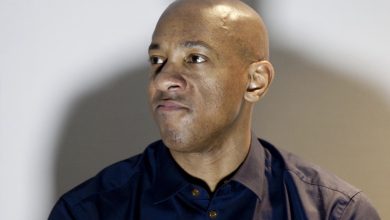
I DID’NT EXPECT THIS “ROY KEANE FINALLY GIVES HIS VERDICT, BUT HIS FINAL WORDS ABOUT THE TWO RIVAL COACHES HAVE SENT PUNDITS INTO A DEBATE…

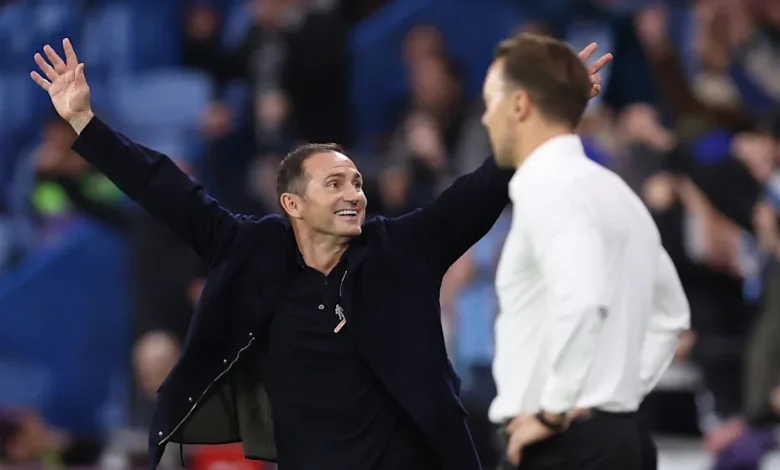
Football has a way of producing results that leave supporters searching for explanations long after the final whistle. Sometimes, the scoreline tells the entire story. On other occasions, the goals are only the beginning of a much bigger conversation.
Coventry City’s remarkable 4–1 victory over Newcastle United has created precisely

that kind of discussion, with the performance raising questions about the difference between the two teams and the decisions made by their respective managers.
For a promoted side to produce such a convincing result against an opponent with Newcastle’s ambitions would naturally attract attention. However, the most interesting debate is not simply about how Coventry scored four goals. It is about what the performance might reveal about the team, its tactical approach and the work being done behind the scenes.
And that is where a hypothetical Roy Keane verdict becomes particularly interesting.
The former Manchester United captain has built his reputation as a pundit on his direct approach to football analysis. He is known for demanding accountability, questioning performances and challenging managers when he believes their teams have failed to meet expectations.
Imagine how a discussion involving Keane might develop after a result of this magnitude.
Would he focus primarily on Coventry’s achievement, or would he turn his attention towards Newcastle and ask difficult questions about how a match that finished 4–1 was allowed to unfold?
That is the question at the centre of this debate.
COVENTRY CITY DELIVER A STATEMENT
There is a significant difference between winning a football match and producing a performance that forces people to reconsider their expectations.
A narrow victory can sometimes be explained by an individual moment, a defensive mistake or a fortunate deflection. A four-goal performance, however, naturally invites closer examination of the team’s overall approach.
Coventry’s 4–1 result puts their attacking performance under the spotlight.
How effectively did they exploit the opportunities presented to them? Did their movement create problems for Newcastle’s defensive organisation? Were they able to maintain their intensity when the opposition attempted to respond?
These are the questions that supporters and analysts would reasonably want to explore.
For Coventry fans, the result offers an opportunity to celebrate their team’s ability to compete on a major occasion. For Newcastle supporters, it creates a different set of questions about defensive organisation, concentration and the response required after a difficult afternoon.
Nevertheless, one result does not automatically settle every argument about either club.
Coventry must demonstrate that they can maintain their standards, while Newcastle must show that they can respond constructively.
That is what makes the aftermath of a result like this so compelling.
WHY THE TWO COACHES HAVE BECOME THE TALKING POINT
When a match ends 4–1, the players naturally receive much of the attention. Goalscorers are praised, defenders are scrutinised, and supporters debate the individual performances that shaped the contest.
Yet the managers cannot escape the conversation.
Every team enters a match with a plan. That plan includes decisions about the starting lineup, positioning, pressing, substitutions and how the players should respond when circumstances change.
When a team wins convincingly, questions about the effectiveness of its approach are inevitable.
Coventry’s manager would naturally face questions about what worked so well, while Newcastle’s manager would be expected to explain how his team could improve.
However, it would be too simplistic to conclude that one manager is automatically superior to the other because of a single result.
Football is more complicated than that.
The availability of players, individual mistakes, tactical adjustments and the quality of the opposition can all influence the outcome. A convincing victory deserves recognition, but a fair assessment of both managers requires more than the final score.
That distinction is important because the debate should focus on the football rather than turning one result into an unsupported judgement about either coach.
THE QUESTION THAT COULD DIVIDE THE PUNDITS
Imagine a studio discussion in which the panellists are asked to identify the biggest lesson from Coventry’s 4–1 victory.
One pundit might argue that Coventry deserve the overwhelming credit because their attacking performance exposed weaknesses that Newcastle could not adequately address.
Another might insist that the result says just as much about Newcastle’s shortcomings as it does about Coventry’s strengths.
A third might focus on the managers, questioning whether the tactical decisions made during the match helped determine the outcome.
All three perspectives could contribute something valuable to the discussion.
The disagreement would not necessarily be about whether Coventry deserved to win. It would be about what the result means for the teams moving forward.
That is where a hypothetical Roy Keane-style analysis would attract attention.
His familiar reputation for demanding high standards makes the question particularly interesting: would the greatest criticism be directed towards the losing team’s response, or would the winning team’s manager receive greater recognition for preparing his players so effectively?
Without a verified statement from Keane, however, it would be misleading to claim that he has already delivered a particular verdict or that his actual comments have divided fellow pundits.
The debate remains an interesting angle for football supporters to consider.
NEWCASTLE MUST FIND THE RIGHT RESPONSE
For Newcastle, the important question is what happens next.
A defeat of this nature can expose areas that require attention, but the response matters more than the immediate disappointment.
The coaching staff would need to examine the performance carefully, identify where the team struggled and determine whether changes are necessary.
Were the defensive distances between players appropriate? Did Newcastle manage transitions effectively? Were the midfielders able to protect the defence while supporting the attack?
Those questions require honest analysis rather than emotional reactions.
Supporters will naturally want to see improvements, particularly after conceding four goals. However, the next performance will provide a better indication of whether the team has learned from the experience.
The manager’s response will also be important. Difficult results test the relationship between a coach’s ideas and the players’ ability to execute them under pressure.
Newcastle have an opportunity to respond on the pitch and demonstrate that this result does not define their wider ambitions.
COVENTRY’S CHALLENGE IS TO BUILD ON THE MOMENT
For Coventry, the challenge is different.
A memorable victory can generate excitement, confidence and belief throughout a club. Supporters begin to imagine what might be possible, while players gain encouragement from seeing their approach produce such an impressive result.
But the real test comes afterwards.
Can Coventry reproduce the same energy against their next opponents? Can they remain organised when facing teams that adopt a more cautious approach? Can they turn an outstanding afternoon into consistent performances?
Those questions will determine how significant this victory ultimately becomes.
The result deserves to be celebrated, but the club’s longer-term progress will depend on what happens over the matches that follow.
Their manager will also need to ensure that confidence does not become complacency.
If Coventry can maintain their standards, this performance could become an important reference point for the team.
THE BIG QUESTION REMAINS
Ultimately, Coventry City’s 4–1 victory over Newcastle provides plenty of material for debate.
It raises questions about tactical preparation, defensive organisation, attacking quality and the responsibilities of both managers.
It also presents an opportunity to discuss how pundits judge football teams when expectations collide with unexpected results.
The most interesting question is not simply whether Coventry deserved to win. It is what the result reveals about both sides and how each manager responds to the challenge ahead.
For Coventry supporters, the priority is enjoying a performance that has given them plenty to celebrate.
For Newcastle fans, the focus will be on understanding what went wrong and demanding a stronger response.
And for neutral supporters, the discussion offers an opportunity to examine the tactical details that can turn an ordinary fixture into a memorable football story.
NOW THE BIG QUESTION FOR THE FANS:
Was Coventry’s 4–1 victory mainly a reflection of the winning team’s quality and preparation, or should greater attention be placed on Newcastle’s performance and the decisions made by their manager?
And if you were analysing this match in a television studio, which coach would you question first?
Let the debate begin.