
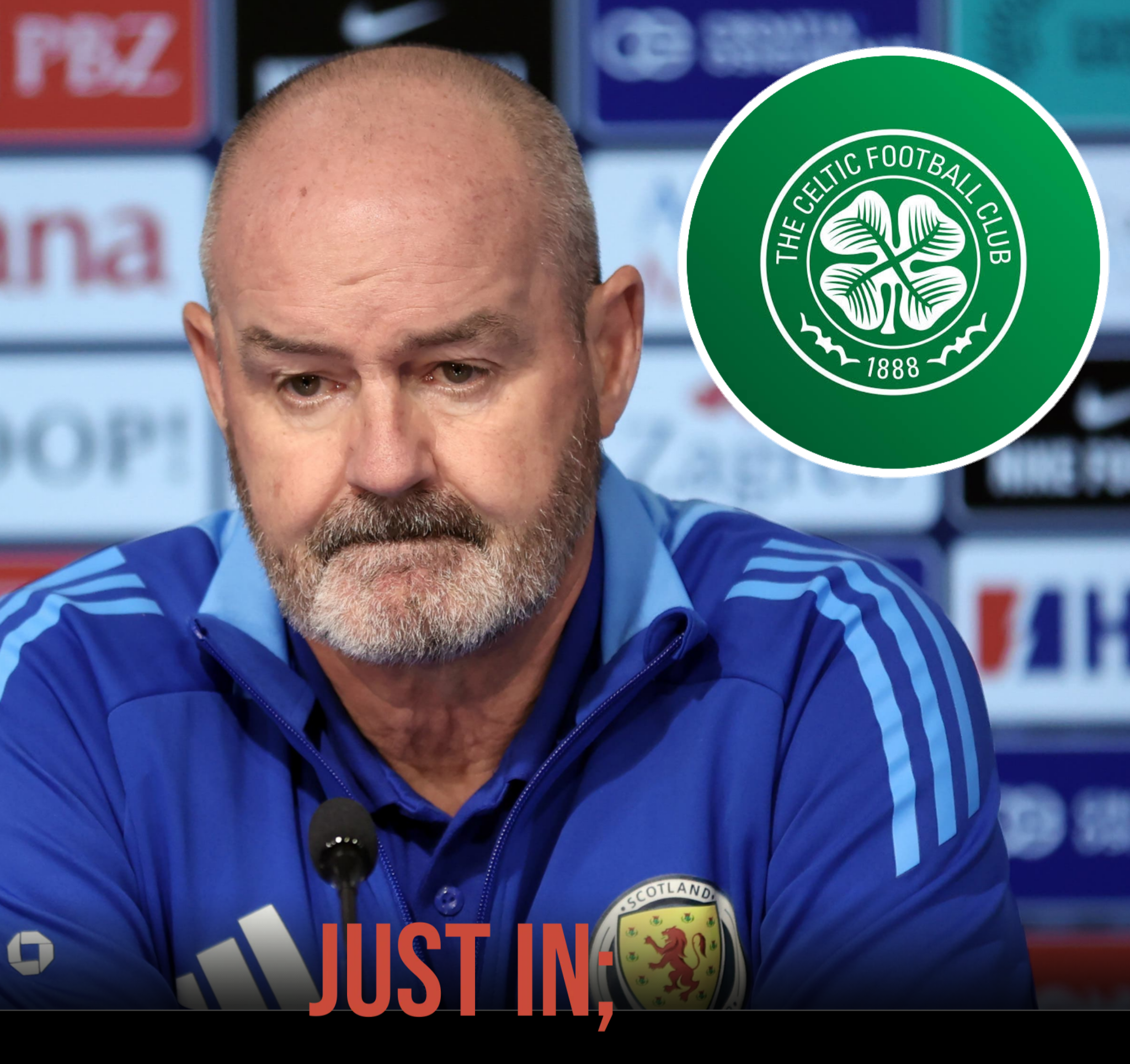
The discussion around Celtic’s next permanent manager continues to grow as the club navigates one of its most uncertain periods in recent years. With the title race still alive but the atmosphere increasingly tense following recent upheaval, Celtic find themselves at a key turning point. Martin O’Neill has been brought in as a steadying presence until the end of the season, tasked with restoring calm and securing results. Yet, despite his respected standing in the game, much of the conversation among pundits and supporters has already moved on to the question of who will lead the team beyond the summer.
One name that refuses to fade from that debate is Steve Clarke. Former Scotland international Pat Nevin has been among those suggesting that Clarke’s candidacy deserves serious attention once his current commitments with the national team reach their conclusion. And given Clarke’s achievements at international level, it is easy to understand why the Celtic support and wider Scottish football audience continue to link him with the job.
Clarke has transformed Scotland’s fortunes since taking charge, guiding the team to an unprecedented period of consistency and belief. Under his stewardship, Scotland have reached three major tournaments, including qualification for the 2026 World Cup — their first appearance on football’s biggest stage since 1998. Those achievements have reshaped how many view Clarke as a coach. Previously regarded as pragmatic and defensively cautious, he is now increasingly recognised as a master organiser who can build structure, unity, and resilience within a squad.
Images of Clarke celebrating qualification — arms raised on the Hampden touchline amid a euphoric crowd — have become symbolic of the revival he has led. Players such as Kieran Tierney and Andy Robertson have visibly flourished under his guidance, while Scotland’s back-to-back qualification campaigns have helped restore a sense of national pride that had long felt diluted. His record has also prompted debate over his suitability for a return to club management — and whether Celtic could be the project to tempt him back.
For Celtic, the attraction is clear. The club have endured a turbulent spell, with questions over recruitment, tactics, and identity contributing to growing frustration in the stands. O’Neill has been tasked with stabilising the situation for now, but there is increasing acceptance that long-term planning must begin immediately. The goal is not just to win the league, but to build a structure capable of sustained success domestically and competitiveness in Europe.
Clarke’s reputation for clarity, discipline, and man-management makes him an appealing candidate for that mission. He has repeatedly demonstrated the ability to get the best out of players, even when working with limited resources compared to European giants. His deep understanding of Scottish football — its pressures, rhythms, and rivalries — would also reduce the adjustment period that foreign managers sometimes require. That familiarity carries weight in Glasgow, where expectations are ruthless and scrutiny unrelenting.
However, any potential move comes with complexities. Clarke remains deeply committed to the Scotland national team, and the prospect of leading the country at a World Cup is not something many managers would willingly step away from. The Scottish Football Association value him enormously and see him as central to their long-term development strategy. Any approach from Celtic would therefore require sensitivity, timing, and likely considerable negotiation.
There is also the wider question of whether Clarke would want to return to the day-to-day intensity of club football. International management offers breathing space between fixtures, a contrast to the relentless schedule of domestic and European competition. Yet, for someone as competitive as Clarke, the lure of leading one of Britain’s most historic clubs — backed by Champions League ambitions and a global fanbase — may still hold appeal.
For now, Celtic must focus on the present. The squad requires confidence, consistency, and leadership. O’Neill’s experience provides that stabilising influence, even if his time in charge is temporary. The players must rediscover their rhythm as the season enters a decisive phase, knowing that every dropped point carries weight in a tight title race.
Still, it is impossible to escape the sense that the club stands on the brink of major transition. The board, supporters, and football observers alike acknowledge that the next permanent managerial appointment will shape Celtic’s direction for years to come. Names will continue to be discussed — some realistic, others speculative — but Clarke’s remains one of the most compelling. His work with Scotland has showcased not only tactical discipline, but emotional intelligence and an ability to shift the mindset of an entire squad.
Whether circumstances will eventually align remains to be seen. But what is clear is that Steve Clarke is no longer merely a respected coach — he is now viewed as one of the leading figures in Scottish football. And as Celtic ponder their future, his name will inevitably remain near the top of the conversation.
