VAR audio of Rangers penalty controversy vs Livingston released as John Beaton makes ‘not punishable’ call
VAR audio of Rangers penalty controversy vs Livingston released as John Beaton makes 'not punishable' call

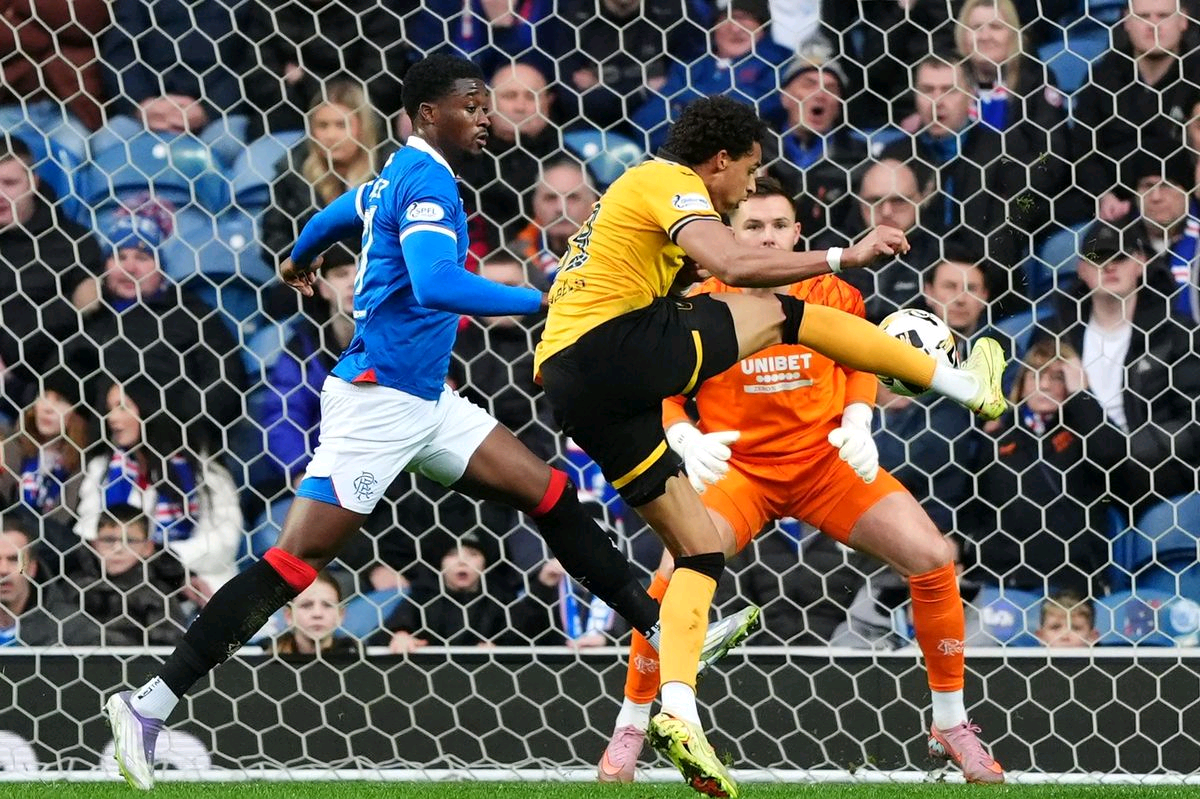
Rangers went on to secure a 2–1 victory over a struggling Livingston side, but the match was overshadowed by a controversial flashpoint at Ibrox. The Scottish FA has now released the VAR audio relating to Livingston’s penalty appeal during the game.
With the score level, Livingston forward Tete Yengi saw a shot blocked by Rangers defender Emmanuel Fernandez, with the ball appearing to strike his arm. Referee Ross Hardie was not advised by VAR official John Beaton to review the incident on the pitchside monitor. The SFA later explained to Record Sport that, under current guidance, the contact was deemed to be from close range and that Fernandez’s arm position was considered natural for his movement, leading VAR to take no further action.
Livingston manager David Martindale reacted angrily after the final whistle, claiming the decision could cost him his job as his team remain bottom of the Scottish Premiership following the defeat. Chairman Calvin Ford later revealed that the SFA had apologised and acknowledged a mistake, while the Key Match Incidents (KMI) panel agreed with Livingston, concluding that a penalty should have been awarded.
The full VAR audio has now been published ahead of Sky Sports’ Scottish Football VAR Review. In the recording, referee Hardie can be heard initially saying he is unsure where the ball makes contact with Fernandez. An assistant suggests it may have hit the defender’s stomach as the footage is reviewed at Clydesdale House.
Beaton then states he is “comfortable” with the defender’s arm position, describing it as “natural enough,” while assistant VAR Chris Rae points out that the shot was taken from short distance. VAR ultimately decides not to intervene, and play continues, with Rangers eventually claiming a 2–1 win.
The released audio captures VAR officials repeatedly reviewing the footage, discussing the arm’s movement and proximity, before collectively agreeing the incident was not punishable and allowing the on-field decision to stand.