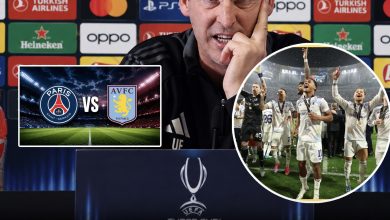
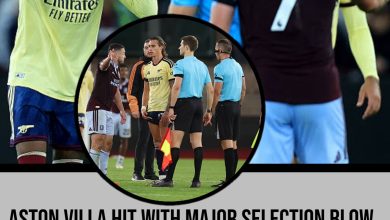
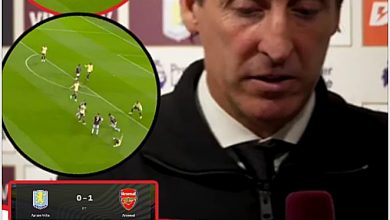
UEFA HAS IMMEDIATELY RELEASED STATEMENT ON WHY PSG’S SECOND GOAL WAS ALLOWED TO STAND DESPITE BEING BLATANTLY OFFSIDE

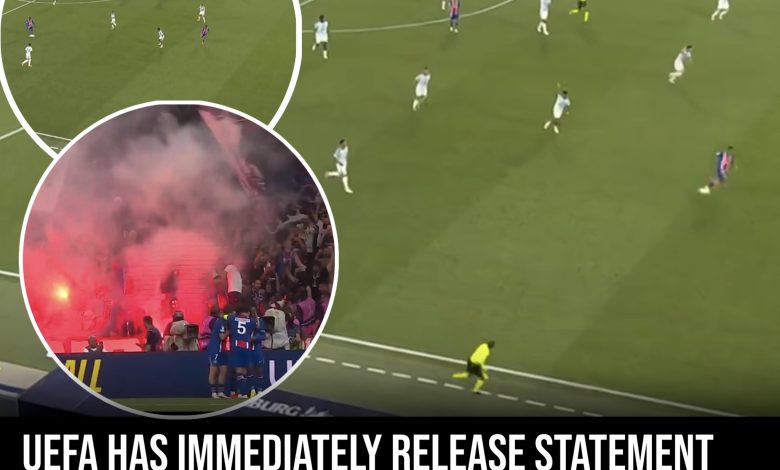
The football world is still reeling. Social media has exploded into pure chaos. Aston Villa fans are calling it daylight robbery. Neutral observers are scratching their heads. And Paris Saint-Germain players are celebrating like they just won the Champions League all over again.
In the 61st minute of the UEFA Super Cup final at the Red Bull Arena, Désiré Doué produced a moment of pure clinical brilliance… or pure controversy, depending on who you ask. The young French winger raced onto a perfectly weighted through-ball from Ousmane Dembélé, composed himself, and bent a left-footed finish into the far corner to put PSG 2-1 up against Aston Villa. The stadium held its breath. The assistant referee’s flag shot up almost instantly. Offside. Goal disallowed. Celebrations frozen.
Then came the VAR check. Two agonising minutes that felt like two hours. Somali referee Omar Artan, already under the spotlight as the first African official to take charge of a Super Cup, stood with his finger pressed to his earpiece. The giant screens showed freeze-frames, lines being drawn, and endless replays. Finally, Artan pointed to the centre circle. Goal given. PSG restored their lead. The French champions went on to win 2-1 and secure back-to-back UEFA Super Cups.
Cue absolute meltdown across Europe.
Villa supporters flooded social media claiming the decision was “blatantly offside.” Commentators struggled to hide their disbelief. Even Doué himself initially looked confused, barely celebrating before the flag went up. The PSG bench appeared stunned. Yet the goal stood — and now UEFA has moved at lightning speed to explain exactly why.
In an immediate official clarification released shortly after the final whistle, UEFA confirmed that the decision was correct under the Laws of the Game. The key detail? Aston Villa right-back Matty Cash.
While Doué appeared several metres beyond the last defender when Dembélé released the pass, Cash — positioned on the opposite side of the pitch and completely uninvolved in the play — had a crucial body part (his left foot, according to multiple match reports) keeping the PSG attacker onside. Under current offside regulations, any part of a defender’s body that can legally play the ball counts when drawing the offside line. Cash’s positioning, no matter how far away he was from the action, effectively dragged that imaginary line back just enough for Doué to be judged level or fractionally onside.
VAR reviewed the incident thoroughly, confirmed the geometry, and advised the on-field officials to award the goal. The decision was not subjective. It was a pure application of the letter of the law.
“Even Doué Didn’t Think It Was Onside”
French media captured the surreal nature of the moment perfectly. Doué finished with ice in his veins, then immediately looked across at the assistant referee, expecting the flag. When it eventually went up, he stopped celebrating. Only after the lengthy VAR process and the referee’s confirmation did the 20-year-old finally wheel away in pure delight, embraced by teammates who themselves looked half-surprised the goal had been allowed.
Aston Villa players surrounded Artan in protest. Unai Emery’s side had every right to feel aggrieved. They had matched the reigning Champions League winners for long spells, created more shots, and produced a fairytale equaliser through 17-year-old Brian Madjo just before half-time. A draw would have forced penalties. Instead, a millimetre of Matty Cash’s boot decided the destination of the first major European trophy of the 2026/27 season.
Why Fans Are Still Furious
This is not the first time the “any body part” offside rule has left supporters bewildered, and it will not be the last. To the naked eye — and to millions watching at home on television — Doué looked clearly offside. The freeze-frame without the calibrated lines made it appear like a classic case of an attacker timing his run too early. Only the technology and the precise measurement of Cash’s position revealed the truth.
UEFA’s rapid statement is an attempt to calm the storm before conspiracy theories take full hold. The governing body stressed that the VAR process worked exactly as designed: the on-field decision was reviewed, the correct interpretation of the laws was applied, and the outcome was communicated clearly.
Whether fans accept that explanation is another matter entirely. Villa supporters will forever see this as the night they were robbed of a shot at Super Cup glory. PSG fans will simply point to the scoreboard and the silverware. Neutral observers will debate the fairness of a rule that allows a defender 40 metres away to influence an offside decision.
One thing is beyond dispute: this goal will be replayed, slowed down, analysed with digital lines, and argued about for weeks, if not months. It has already become the defining talking point of the new European season — just hours after the final whistle.
Paris Saint-Germain are Super Cup champions once again. Désiré Doué is the hero. Matty Cash is the unlikely villain. And UEFA has spoken.
The debate, however, is only just beginning.