ASTON VILLA 6–0 FENERBAHÇE! VILLA FANS REVIVE A 44-YEAR-OLD CHANT — AND THEIR INCREDIBLE SINGING IS NOW GETTING EVERYONE TALKING JUST HOURS AFTER AN UNFORGETTABLE EUROPEAN NIGHT!

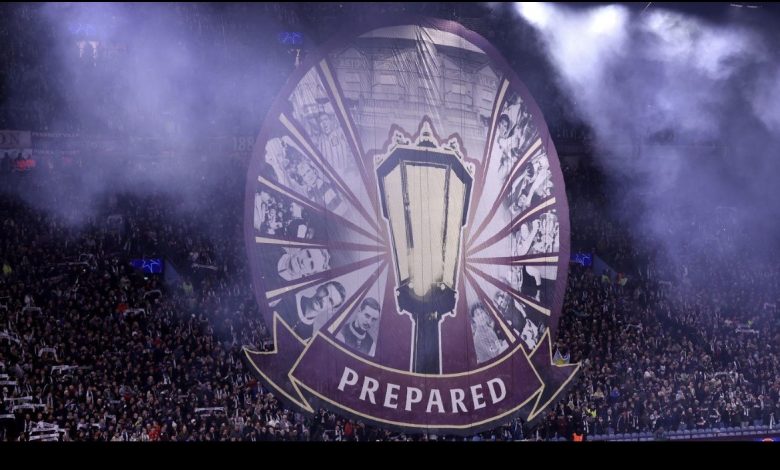
Some football nights are remembered for the goals, others for the celebrations, and a few become special because of the atmosphere created by the supporters. For Aston Villa fans, a reported 6–0 victory over Fenerbahçe has provided the perfect setting for another memorable European occasion, with the noise from the stands drawing attention to the passion that has followed the club across generations.

While the scoreline tells a story of dominance on the pitch, the supporters have their own story to tell. Their singing, their celebrations and their connection to the club’s European history are reminders that Aston Villa is about much more than the eleven players who begin a match.
And when the conversation turns to Villa’s past, one particular year immediately comes to mind: 1982.
That was the year Aston Villa reached the summit of European football, creating a memory that remains deeply connected to the club’s identity. More than four decades later, that achievement continues to inspire supporters who want to see the club create another historic chapter.
But what makes the atmosphere around a European night so special, and why do old football chants continue to mean so much to supporters?
THE NIGHT VILLA REMINDED EVERYONE OF THEIR EUROPEAN HISTORY
Aston Villa’s place in European football history was secured on 26 May 1982, when the club defeated Bayern Munich 1–0 in the European Cup final.
Under manager Tony Barton, Villa faced a Bayern side with considerable European experience. Many observers expected the German club to have the advantage, but Villa produced the performance that mattered most.
Peter Withe scored the only goal of the final, sending Villa supporters into celebrations that would become part of the club’s history. When the final whistle sounded, Aston Villa were European champions.
It was an extraordinary achievement for a club that had won the English league title the previous year. Villa had climbed to the top of English football and then demonstrated that they could compete with the continent’s strongest teams.
For supporters who witnessed that triumph, the memories have never disappeared. For younger fans, it is a story passed down through family conversations, old photographs, recordings and the songs associated with the club’s greatest moments.
That is why a major European occasion today can feel connected to something much bigger than the match itself.
Every generation of Villa supporters has its own experiences, but they all inherit the same history.
WHY OLD FOOTBALL CHANTS NEVER REALLY DISAPPEAR
Football chants have a special place in the game because they allow thousands of people to express the same emotion at the same time.
Some chants begin with a famous player. Others are inspired by a manager, a dramatic victory or a moment that supporters never want to forget. Over the years, those songs can become part of a club’s identity.
Even when a chant disappears from regular use, it may still live in the memories of older supporters. A familiar melody can return when someone starts singing it in the stands, when a group of fans brings it back or when a new generation discovers its history.
That possibility makes the idea of a historic Villa chant returning particularly interesting.
However, there is an important distinction between a song that reminds supporters of the club’s European past and one that can be confirmed as having originated 44 years ago. Without the exact chant and reliable evidence of its history, its age and connection to the 1982 European Cup campaign should not be treated as established facts.
Nevertheless, the wider connection between Villa’s supporters and their European heritage is undeniable.
The club’s history gives fans something to celebrate, while the atmosphere they create today gives future generations memories of their own.
44 YEARS SINCE VILLA CONQUERED EUROPE
The year 1982 may feel distant to supporters who have only followed Villa in recent seasons, but its significance remains enormous.
The European Cup triumph established Villa among the competition’s winners and gave the club a place in football history. It was an achievement that could never be taken away, regardless of what happened in the seasons that followed.
Football has changed dramatically since then. Stadiums have evolved, television coverage has expanded and the European Cup has become the modern UEFA Champions League.
Aston Villa returned to the Champions League in the 2024–25 season, bringing elite European football back into the lives of supporters who had waited many years for another campaign at that level.
For younger fans, those matches offered the chance to experience European football on a major stage. For older supporters, they brought back memories of the club’s greatest European achievement.
That meeting of generations is one of football’s most powerful qualities.
A parent can explain what the 1982 triumph meant, while a child can describe the excitement of watching Villa compete in Europe today. Different experiences become part of the same family and club history.
And sometimes, a song can connect those generations more effectively than any speech.
THE SUPPORTERS ARE PART OF THE SHOW
A large crowd singing together can change the entire feeling of a football match.
The players may be responsible for the goals, but supporters contribute the emotion that surrounds them. Their voices rise when the team attacks, their celebrations follow a goal, and their encouragement can continue even when the match becomes difficult.
On a European night, that atmosphere can become one of the most memorable parts of the occasion.
For Villa supporters, a convincing result against a major opponent would naturally provide plenty of reasons to celebrate. A reported 6–0 scoreline would make the occasion even more memorable, provided the result is confirmed.
Yet the supporters’ contribution should not be reduced to the final score.
The chants, scarves, familiar songs and shared celebrations help create the identity that makes following a club special. They also remind players that they represent a community with a history stretching far beyond the current squad.
The 1982 European Cup winners are no longer the players taking the field today, but their achievement remains a source of pride.
That is how football history survives: through stories, traditions and supporters who refuse to forget where their club has come from.
CAN VILLA CREATE ANOTHER HISTORIC EUROPEAN MOMENT?
The challenge for Aston Villa is to turn memorable nights into sustained success.
A big victory can lift confidence and strengthen the bond between the team and its supporters, but the club’s ambitions will ultimately depend on performances across an entire campaign.
Villa fans know what it means to celebrate European glory. Their club has already reached the highest point in the competition’s history, and that achievement will always provide a reason to dream.
The modern team has the opportunity to create its own stories, with new players and new matches becoming part of the club’s future history.
Perhaps that is why the singing matters so much. It represents the supporters’ belief that the club’s best memories do not have to remain in the past.
The story of 1982 belongs to one generation, but the next great Villa memory could belong to another.
And if an old chant does return to the stands, it could provide a fitting connection between those two eras—provided its origins and history are established.
For now, the wider message is clear: Aston Villa’s European identity is built not only on trophies but also on the people who continue to sing for the club.
VILLA FANS, LET’S HEAR YOUR OPINION!
Which Aston Villa chant brings back the strongest memories for you? Is it a song connected to the club’s historic European triumph, or is there a modern chant that deserves to become part of Villa’s history for generations to come?
Share your favourite below. Because long after the goals have been replayed and the final whistle has faded, the songs sung by supporters can remain part of what makes a football club unforgettable.