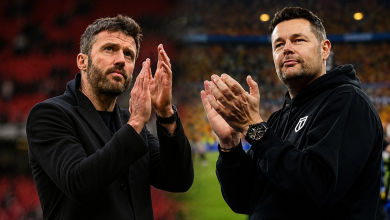
“DROP HIM IF YOU WANT TO GET BACK ON TRACK!” — ALAN SHEARER’S BRUTAL VERDICT AFTER HULL CITY’S 1–1 DRAW HAS LEFT FANS WONDERING WHICH PLAYER HE MEANS!

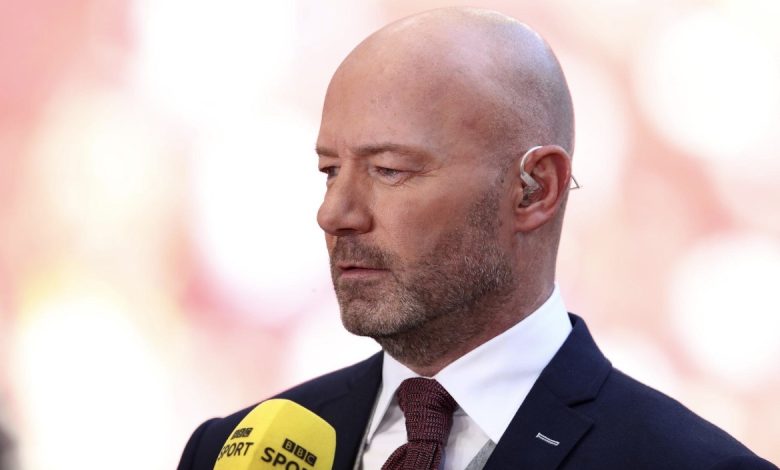
Hull City’s 1–1 draw at the MKM Stadium has sparked another major conversation among supporters, with questions being raised about the team’s recent performances, the decisions being made on the pitch, and what must change if the Tigers are to get back on track.
For a club with ambitions of competing strongly throughout the campaign, every dropped point matters. A draw can sometimes feel like a reasonable result, particularly when a match is closely contested, but the bigger picture often tells a different story. Supporters want consistency, performances that inspire confidence, and a team capable of turning difficult matches into victories.
And that is where the debate surrounding Hull City begins.

The result itself was enough to leave fans discussing what went wrong, but the conversation becomes even more interesting when considering what a former Premier League striker such as Alan Shearer might make of the situation.
Imagine Shearer being asked to assess Hull City’s performance and identify the one decision that could help the team rediscover its winning rhythm. His hypothetical response would raise an uncomfortable question: is there a player whose place in the starting eleven should no longer be guaranteed?
It is the sort of question that can divide a fanbase almost instantly.
THE DRAW HAS RAISED BIGGER QUESTIONS
A 1–1 draw does not automatically mean a team has performed badly. Football matches are often decided by small details, and even the strongest sides can struggle to find a winning goal when opponents defend effectively.
However, Hull City’s supporters will understandably want to know whether the team is doing enough to turn competitive performances into maximum points.
The important issue is not simply the final score. It is how the team responds when a match becomes difficult, whether players maintain their concentration, and whether the manager has enough options to change the direction of a game.
When a team fails to secure victory, attention naturally turns towards individual performances.
Did the attacking players create enough opportunities? Was the midfield able to control the tempo? Did the defence remain organised when under pressure? And were the substitutions capable of making a meaningful difference?
These are the questions supporters will be asking as they reflect on the draw.
For Shearer, who built his reputation on understanding the demands placed on attacking players, the most interesting area of discussion could be the difference between simply being involved in a match and genuinely influencing its outcome.
A player can work hard for the team without necessarily delivering the decisive contribution supporters expect. Equally, a player who has an uncomfortable afternoon can still prove valuable over the course of a season.
That is why any suggestion that Hull City should change its starting eleven would need to be examined carefully.
WHICH PLAYER COULD BE UNDER PRESSURE?
This is the question that will interest Hull City supporters most.
If the Tigers want to improve their consistency, should the manager continue trusting the same players, or is it time to give somebody else an opportunity?
There is a strong argument for maintaining faith in players who have demonstrated their quality over a sustained period. Confidence is important in football, and dropping a player after every disappointing result can create more uncertainty than it solves.
But there is another side to the argument.
Competition for places is essential at every ambitious club. When players know their positions are guaranteed regardless of their performances, the pressure to improve can diminish. Introducing fresh competition can sometimes encourage an entire squad to raise its standards.
The key is identifying the correct player and understanding why a change might benefit the team.
Would Hull City be better served by changing something in attack? Could a different midfield combination provide greater control? Or would a defensive adjustment allow the team to manage important moments more effectively?
Without a verified statement from Shearer identifying a particular player, it would be unfair to attach his name to an accusation against an individual Hull City footballer.
Nevertheless, the broader debate remains relevant: should the manager make a bold selection decision after the draw, or would continuity be the wiser option?
Supporters are likely to have different answers depending on which aspects of the performance concerned them most.
WHY THE NEXT TEAM SELECTION MATTERS
One disappointing result does not define a season, but the response to it can reveal a great deal about a team’s character.
Hull City now need to demonstrate that they can learn from the draw and turn the lessons into better performances. That means working on the details that separate a respectable result from a victory.
The coaching staff must assess the team’s balance, the effectiveness of its attacking movements, and whether the players are carrying out their responsibilities consistently.
There is also the question of confidence.
When results do not arrive as expected, players can begin to overthink simple decisions. Passes that would normally be played quickly become delayed, promising attacking situations break down, and the team can lose the rhythm that makes it difficult to defend against.
Restoring that confidence requires more than criticism. It requires clear instructions, trust in the right players, and a collective determination to respond positively.
At the same time, no player should be exempt from scrutiny simply because of reputation or previous performances.
If the manager believes a change is necessary, making that decision could send a message to the entire squad that places must be earned.
But making changes purely to satisfy frustrated supporters would be equally dangerous. Selection decisions must be based on performances, tactical requirements, fitness, and the strengths of the available alternatives.
That balance is what makes the discussion so complicated.
SHEARER’S HYPOTHETICAL VERDICT WOULD SPARK A HUGE DEBATE
Alan Shearer is a familiar name in English football discussions, particularly when supporters debate attacking quality, consistency, and what separates a good team from one capable of achieving its ambitions.
A hypothetical assessment of Hull City’s situation would inevitably invite supporters to consider whether the team needs tactical adjustments or a more radical change in personnel.
The provocative phrase, “Drop him if you want to get back on track!”, captures the argument at the centre of the debate. However, it should be understood as a headline framing a hypothetical verdict, not as a verified quotation from Shearer.
The real question is whether Hull City have a player whose recent performances justify a spell on the bench.
Some supporters will argue that the manager must show greater ruthlessness. Others will insist that the players need time to build partnerships and regain confidence rather than facing immediate changes after a draw.
Both positions have merit.
Dropping a player can sometimes provide the wake-up call a team needs. On other occasions, it can disrupt the very partnerships that would have helped produce better results in subsequent matches.
The challenge is knowing which situation Hull City are facing.
And that is why the next selection decision could attract so much attention.
HULL CITY FANS HAVE A DECISION TO MAKE
Ultimately, the 1–1 draw leaves Hull City with plenty to consider, but it should also provide an opportunity to respond.
The Tigers cannot change the result, yet they can use the experience to identify weaknesses, improve their decision-making, and prepare for the next challenge.
Supporters will want to see greater consistency, more decisive performances, and evidence that the team is moving in the right direction.
If a change to the starting eleven is necessary, the manager must be prepared to make it. If the problem lies elsewhere, the solution must address that issue instead.
The most important thing is ensuring that the same concerns do not continue appearing in subsequent matches.
For now, the debate is open, and there is no need to pretend that one particular player has been identified without reliable evidence.
So, Hull City supporters, what would you change after the 1–1 draw at the MKM Stadium?
Should the manager drop a player and give somebody else a chance, or would that be an overreaction to one result?
And if you believe a change is necessary, which position should Hull City address first: attack, midfield, or defence?
Have your say in the comments.