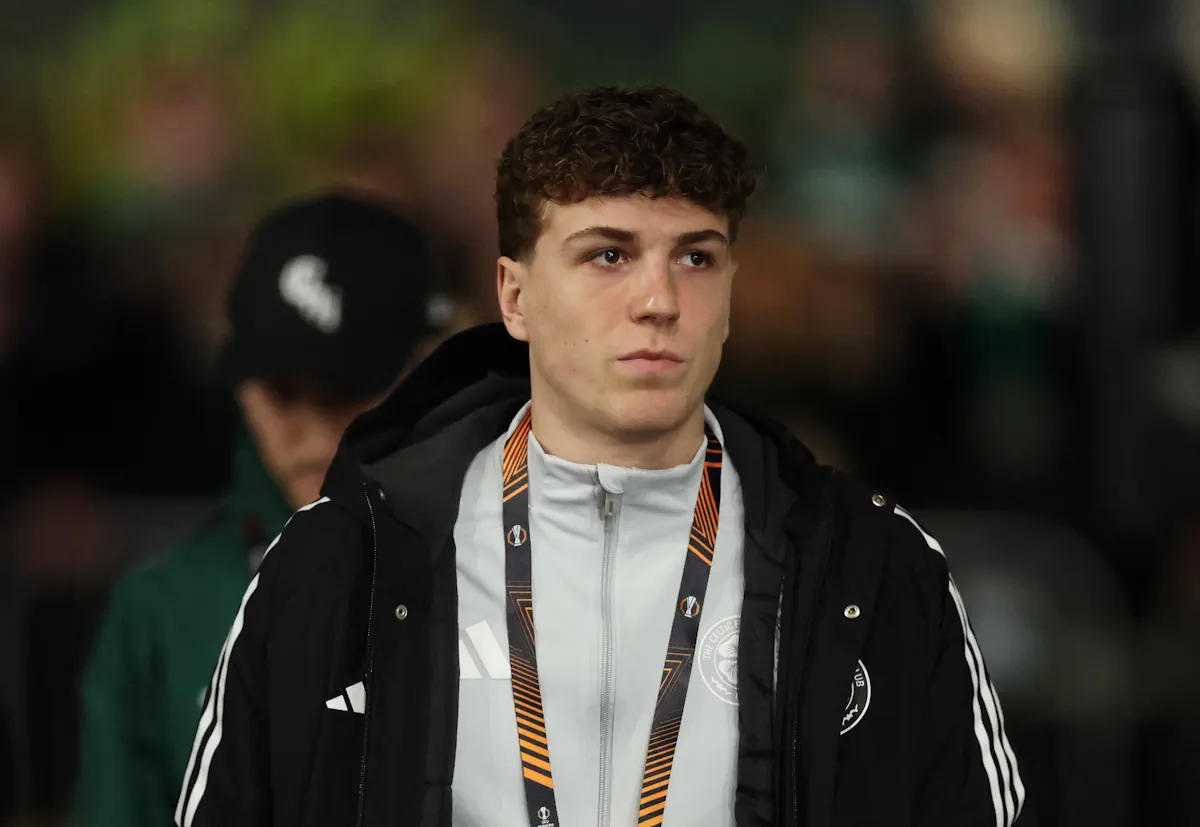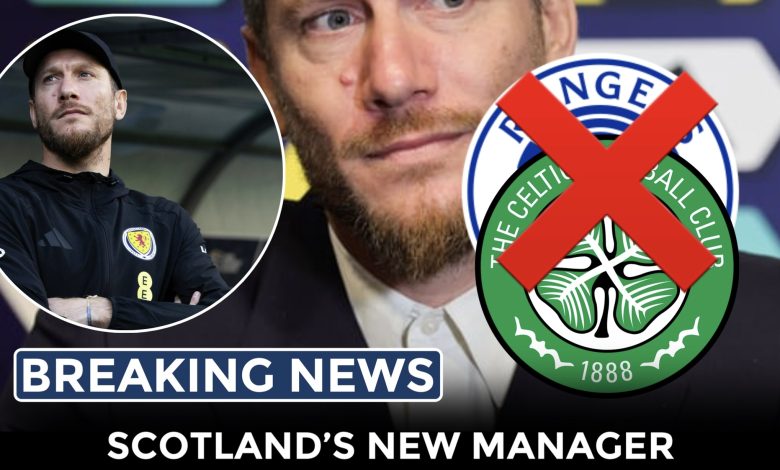
Scotland’s new boss Sébastien Pocognoli has wasted no time lighting the fuse under Scottish football. Just 48 hours after his debut ended in a frustrating 0-0 draw away to Slovenia, the Belgian has delivered the most explosive press conference of the new Nations League era — and it was aimed squarely at the Scottish Premiership’s biggest clubs.
The controversy began the moment the team sheets dropped in Ljubljana. Not a single player from a Scottish league club started for the national team. Zero. The entire starting XI was made up of players based outside Scotland: Angus Gunn (San Jose Earthquakes), Jack Hendry (Al-Ettifaq), Scott McKenna (Dinamo Zagreb), Stephen Welsh (Swansea City), Aaron Hickey (Brentford), Billy Gilmour (Napoli), Lewis Ferguson (Bologna), Andy Robertson (Tottenham), John McGinn (Aston Villa), Robbie Ure (Sevilla) and Oli McBurnie (Hull City).
Rangers, Celtic, Hearts, Aberdeen and the rest of the Premiership were completely frozen out of the first team. The only Scottish-based players in the entire matchday squad were on the bench or unused. For a nation that has long prided itself on the pathway from domestic clubs into the national side, this was seismic.
Critics immediately piled in. Former players took to social media calling it a “disgrace.” Pundits questioned whether Pocognoli understood Scottish football culture. Fans accused the new manager of snubbing the very league that has produced generations of Tartan Army heroes. The noise grew louder after the goalless draw, with many claiming the team lacked “Scottish grit” and local identity.
Pocognoli did not hide. He did not deflect. He did not offer the usual diplomatic platitudes about “respecting every club.” Instead, he went nuclear.
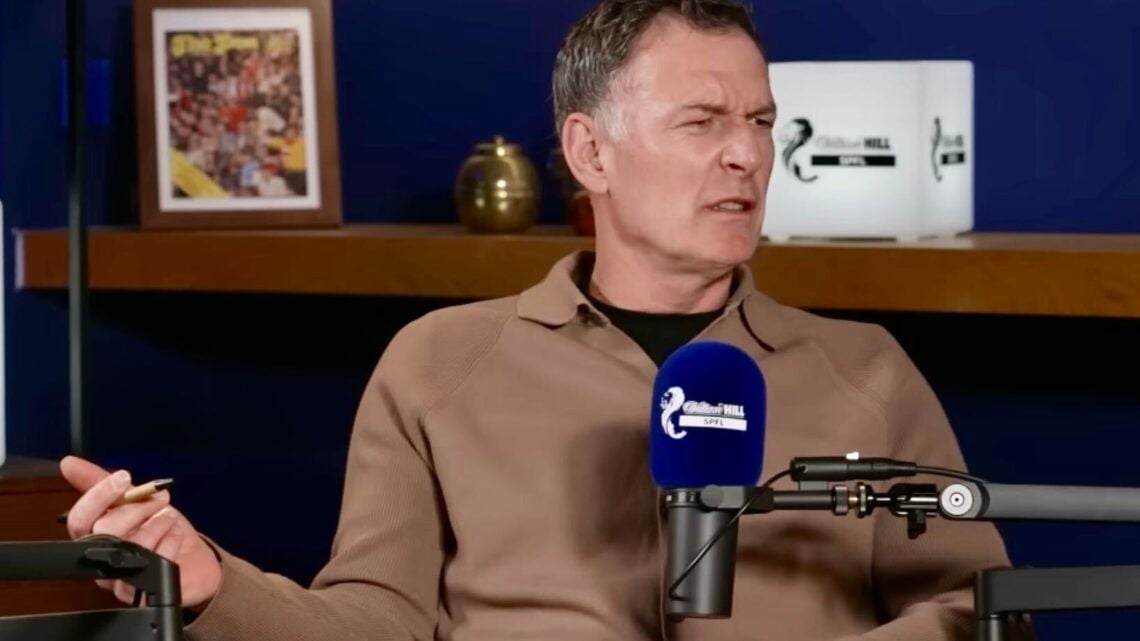
“I pick the best players available for Scotland. Full stop,” the 39-year-old said, staring down the assembled media. “If some of the so-called top clubs in the Scottish league are producing players who are not ready to start for their country, that is not my problem. That is their problem.
“Look at the level. When your biggest clubs cannot regularly produce players who can dominate in Europe or even start consistently in the English Championship, why should I force them into the national team just to make people at home feel better? I am not here to protect egos or sell season tickets in Glasgow. I am here to make Scotland better.”
He continued, voice rising: “I see the same names recycled every few years. I see young players who look good in the Premiership until they face real pressure against better-organised, more physical, more technical sides. Then the level drops. That is the reality. My job is not to paper over cracks in the domestic game. My job is to select a team that can compete. If the top clubs want more of their players representing Scotland, they need to raise the standard. Produce better footballers. Develop them properly. Stop relying on the national team to do their marketing for them.”
The room fell silent for a moment. Then the questions came flying. Was he attacking Celtic and Rangers specifically? Was this a message to the entire Premiership? Did he even care about Scottish football culture?
Pocognoli refused to name individual clubs, but the implication was clear. “Everyone knows who the biggest clubs are,” he said with a thin smile. “They have the resources, the academies, the infrastructure. The results in Europe and the quality of players coming through speak for themselves. I will always look first at quality and mentality, not the badge on the shirt or the postcode of the stadium.”
The context makes the comments even more explosive. Pocognoli took over from Steve Clarke after Scotland’s disappointing World Cup group-stage exit. Clarke had been criticised in some quarters for sticking with familiar faces, many of whom still played or had recently played in Scotland. The Belgian has taken the opposite approach. His first squad already featured eight uncapped players and a heavy bias toward those based in Italy, England, Spain and elsewhere. The Slovenia lineup simply confirmed the direction of travel.
Scottish football has long wrestled with this tension. The Premiership produces plenty of solid professionals, but the leap to consistent international level has become harder. Young talents often leave early for England or further afield. Those who stay can look dominant domestically yet struggle when the intensity rises. Pocognoli is essentially saying the domestic league is no longer an automatic pathway to the starting XI — and he is not going to pretend otherwise to keep the peace.
Reactions have been predictably fierce. One former Scotland international described the comments as “disrespectful to the entire Scottish game.” A current Premiership manager, speaking anonymously, called it “arrogant” and claimed foreign coaches never understand the unique pressures of Scottish football. On social media, the Tartan Army is split down the middle. Some fans are thrilled to see a manager who refuses to play favourites or soft-soap the truth. Others see it as the start of a dangerous disconnect between the national team and the clubs that support it.
There is also the practical reality of the next fixtures. Scotland face Switzerland at Hampden and then travel to North Macedonia before another meeting with Slovenia. With more games in a short window, opportunities exist for domestic-based players to force their way in. Whether any will remains to be seen. Pocognoli has already shown he is willing to hand debuts to players who have barely featured in the Scottish top flight in recent seasons, provided they are performing elsewhere.
The bigger picture is what this means for the relationship between the national team and the Premiership. For years there has been quiet grumbling that the biggest clubs prioritise their own European campaigns and commercial interests over developing a steady pipeline of internationals. Pocognoli has dragged that conversation into the open with a sledgehammer.
Whether his approach succeeds will be judged on results and performances. A goalless draw in Slovenia offered some second-half encouragement but little cutting edge. The next few matches will reveal if the new manager’s ruthless selection policy produces a sharper, more competitive Scotland or simply alienates the domestic game further.
One thing is already clear. Sébastien Pocognoli did not come to Scotland to make friends with the boardrooms of the country’s top clubs. He came to win. And if that means leaving Scottish league players on the outside looking in, he is more than happy to do it — and say exactly why.
The gloves are off. The debate is only just beginning. And Scottish football has been put firmly on notice.